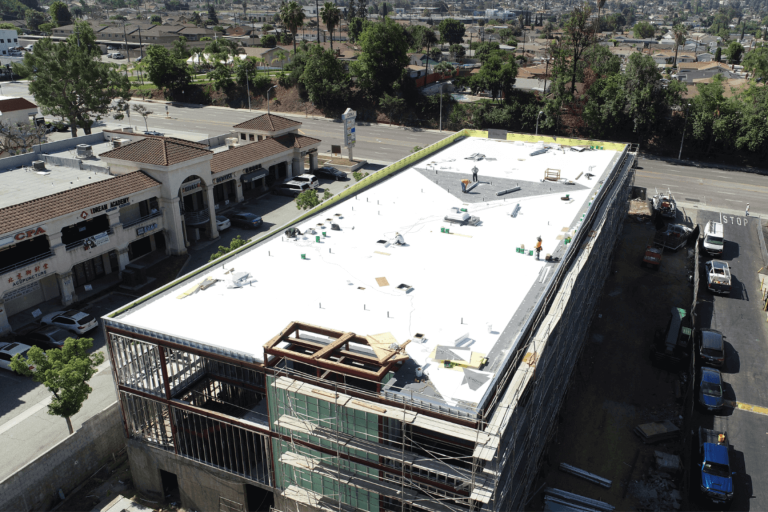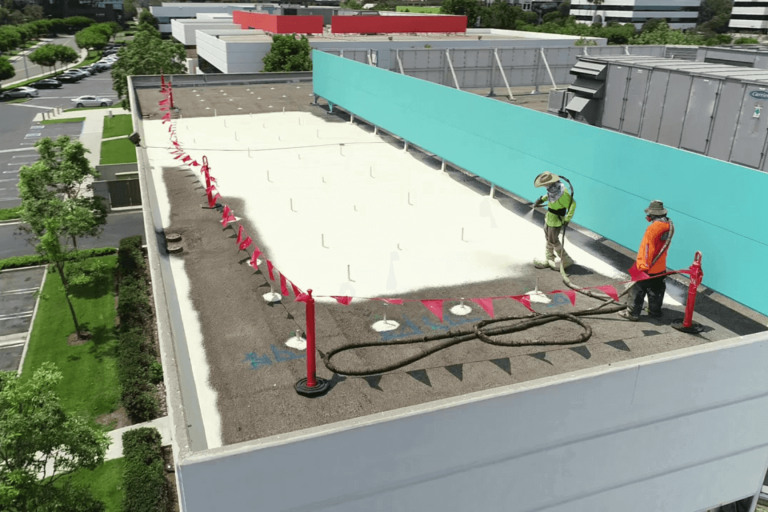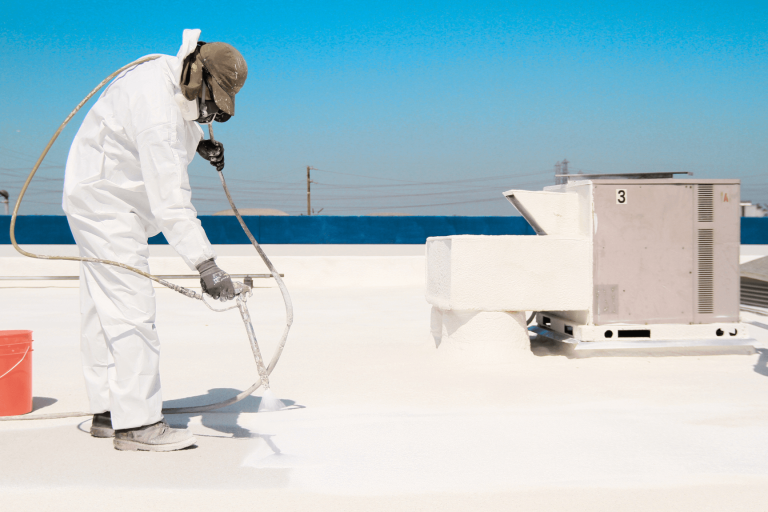
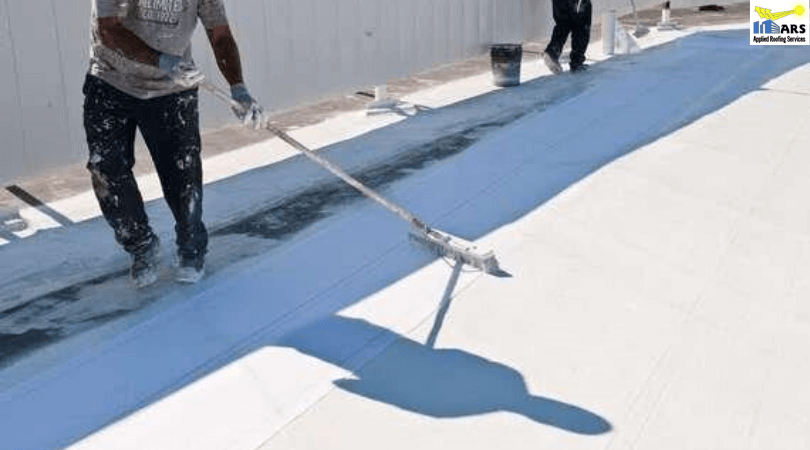
A roof coating is important to protect the roof and extend its lifetime. It increases UV protection for the roof to fight against the harmful sun rays, limits contraction and expansion cycles that lead to premature failure of the underlying membrane and prevents ponding water. A roof coating is a more cost-effective option than replacing a roof. However, before getting coating done on your roof, you should consider its location, condition, slope, and exposure to heat, chemicals, and UV rays.
There are various roof coating types available to choose from. You need to compare the strengths and weaknesses of various roof coatings to determine the best coating type for your roof.
Here are the pros and cons of coating types:
1. Acrylic Roof Coatings
The acrylic coating is the best choice for those who want a cost-effective roof coating. It is a water-based coating, which remains an ideal option for different types of roofs. They are available in different colors, suitable for most climates, and provide the best value. Strengths Acrylic roof coatings:
- UV resistant, highly reflective, and easy to work with
- Offer an excellent balance of performance and cost
Weaknesses Acrylic roof coatings:
- May not perform well in ponding-water situations
- Will lose mil thickness with weathering
- Should be applied at 50°F or above
2. Silicone Roof Coatings
Silicone roof coating is water-repellent or waterproof. It is often used if the roof experiences excessive amounts of water or where rain is a common occurrence. In some applications, silicone coatings eliminate the need for a primer.
Strengths Silicone roof coatings:
- Resistant to weather and corrosion
- Good in ponding water situations
- Do not get brittle or hard
Weaknesses Silicone roof coatings:
- Lose reflectivity over time
- Should be used with a fabric, as they do not have the same resistance to tearing like other coatings materials
- Hard to adhere to other roofing products, so when re-coating the roof, you should either remove the existing coating or use a coating material that is compatible with silicone
Also Read – How to Find the Best Roof Options for Commercial Roofing
3. Polyurethane Roof Coatings
Polyurethane roof coatings are impact-resistant and handle foot traffic precisely than other roof coatings. They come in two types including aliphatic and aromatic roof coatings. Aliphatic roof coatings are expensive, but they are UV stable, remain cleaner, and hold color well. Aromatic coatings are less expensive, but they are not UV stable, so they are often used as a base coating.
Strengths Polyurethane roof coating:
- With an aliphatic top coat and an aromatic base, it stays cleaner and is durable and resistant to ponding water than an acrylic coating
- Keeps the roof cool, as it remains clean and white
Weaknesses Polyurethane roof coatings:
- More expensive than acrylic coatings
- Can have a stronger odor than other roof coatings