TLDR: Looking for expert TPO roof installation? Applied Roofing Services provides Title 24 approved, energy-efficient commercial roofing across Southern & Central CA. Get cooler temperatures and 5-20 year warranties from a licensed contractor since 2003.
The Cool Roof Revolution: Why TPO Roof Installation Makes Financial Sense
Here’s a story we hear all the time. A facilities manager in Los Angeles noticed their cooling bills were through the roof—literally. Their old asphalt roof was absorbing heat like a sponge, turning the entire building into an oven during the summer months. After switching to a professional TPO roof installation with high-reflectivity properties, they saw an immediate difference. Inside temperatures dropped noticeably, and their energy bills? Down by 15% the very first month.
That’s not luck—that’s the power of cool roof technology done right.
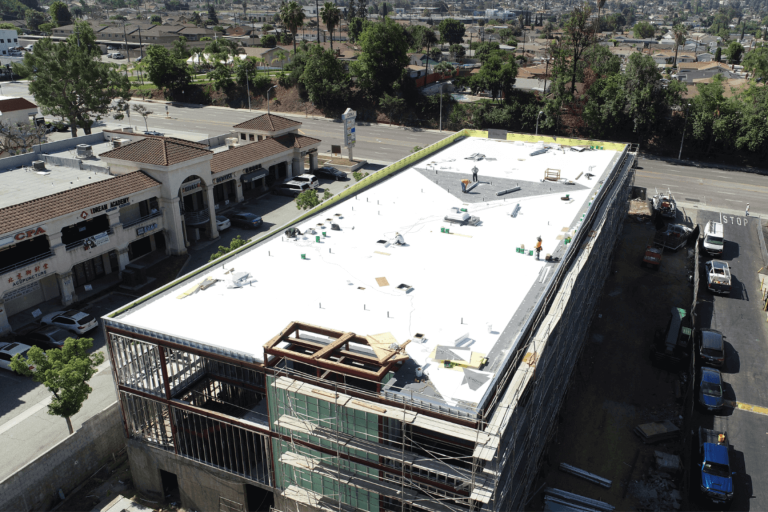
Since 2003, Applied Roofing Services has specialized in commercial single-ply roofing solutions across Southern and Central California. We’ve seen firsthand how the right TPO roof installation can transform a building’s energy profile while meeting California’s strict Title 24 compliance requirements. With over 50 combined years of management experience, our team brings expertise that goes way beyond just rolling out white membrane.
What Makes TPO Roofing the Commercial Standard?
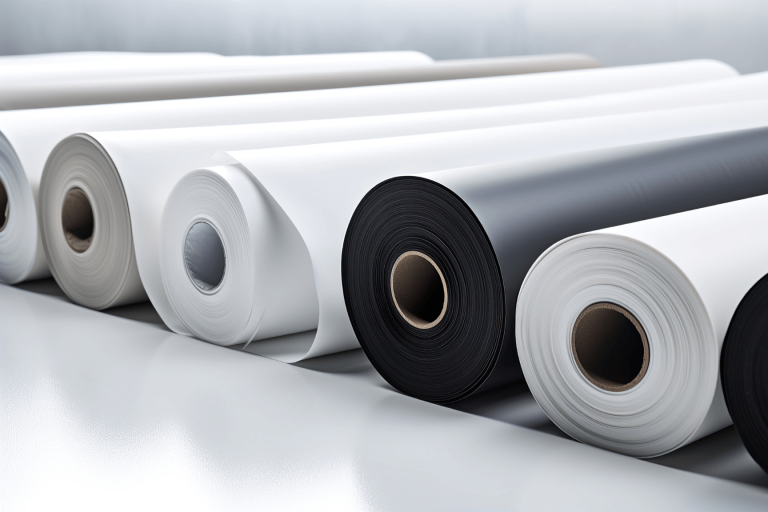
TPO (Thermoplastic Polyolefin) has basically taken over the commercial roofing market, and for good reason. Industry data shows that TPO now represents about 40-50% of all single-ply commercial roofing installations nationwide. In California specifically, where energy efficiency isn’t just smart—it’s mandatory—TPO has become the go-to solution for building owners and property managers who need results.

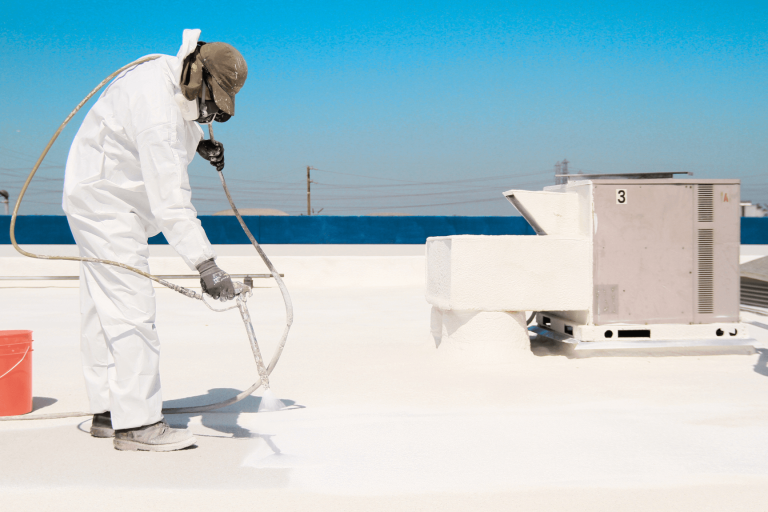
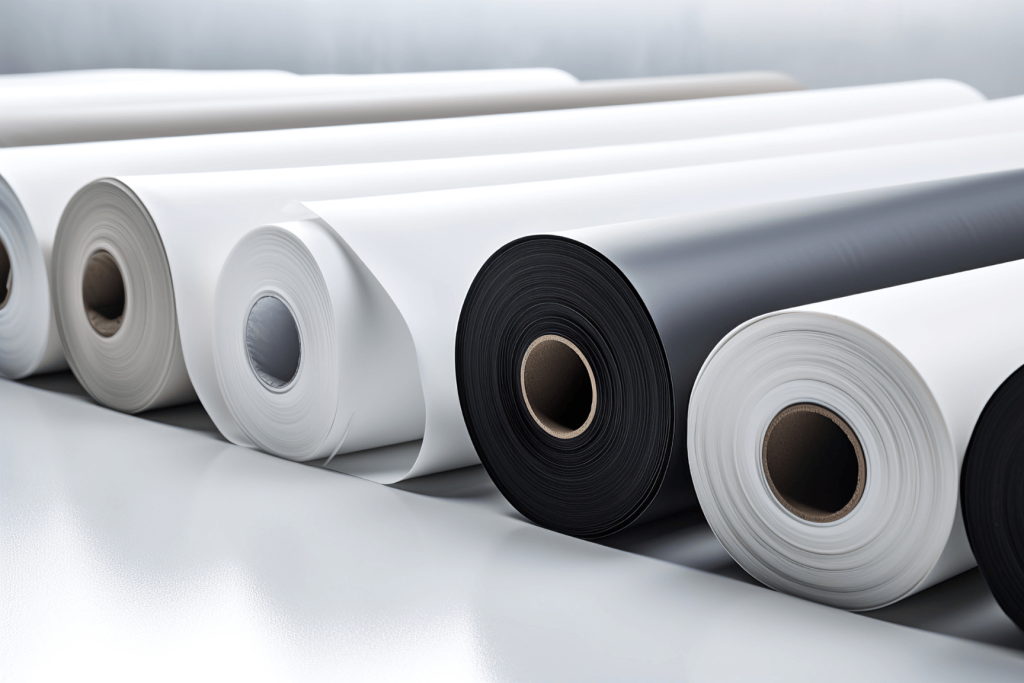
The white reflective surface of the TPO membrane naturally reflects UV rays rather than absorbing them. We’re talking about reflecting up to 87% of solar radiation, which directly translates to lower cooling costs and a more comfortable indoor environment. For commercial facilities, warehouses, and industrial buildings across Los Angeles, Orange County, and San Bernardino, this means serious savings month after month.
How Does TPO Roof Installation Meet California's Title 24 Cool Roof Requirements?
Let’s talk compliance, because in California, you can’t skip this conversation. Title 24 Building Energy Efficiency Standards set specific requirements for commercial roofing, and TPO naturally checks all the boxes.
California’s cool roof requirements focus on three key metrics: solar reflectance (SR), thermal emittance (TE), and the Solar Reflectance Index (SRI). For low-slope commercial roofs—which is most of what we’re dealing with in commercial applications—cool roof standards are mandatory for new construction and major re-roofing projects.
Here’s the good news: standard white TPO membrane typically exceeds Title 24 requirements right out of the factory. The reflective white surface meets the minimum aged solar reflectance values without any additional coatings or treatments. All TPO products used for compliance must be rated and labeled by the Cool Roof Rating Council (CRRC), which maintains a third-party directory of approved products.
At Applied Roofing Services, every TPO roof installation we complete is Title 24 approved and Energy Star rated. We handle all the documentation, ensure proper CRRC certification, and make compliance seamless for building owners. After all, what’s the point of an energy-efficient roof if you can’t prove it meets code?
Key Title 24 Benefits of TPO:
- Pre-approved cool roof technology
- Naturally meets reflectance requirements
- CRRC certified products standard
- Energy Star rating included
- Reduced urban heat island effect
5 Critical Steps in the TPO Roof Installation Process
Not all TPO roof installations are created equal. The difference between a roof that lasts 15 years and one that lasts 25+ years often comes down to installation quality. Here’s how we approach every project:
1. Substrate Preparation and Inspection
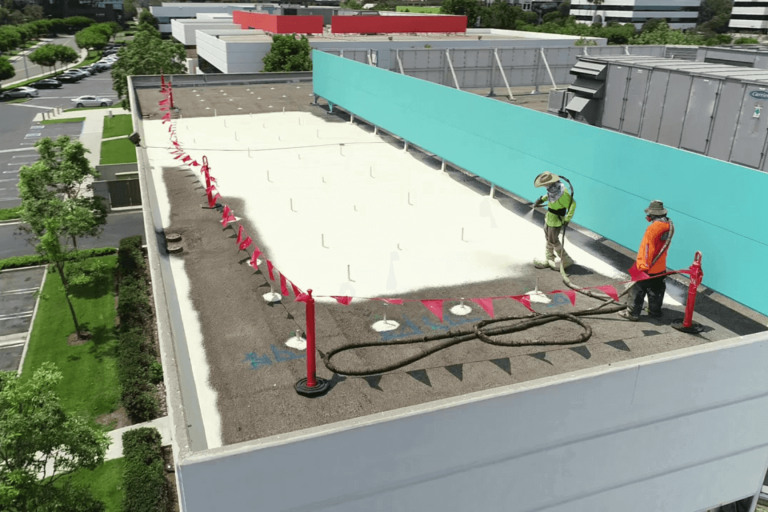
Everything starts with the foundation. We thoroughly inspect and prepare the existing roof deck, ensuring it’s structurally sound and properly dried. Any moisture issues get addressed before a single square foot of membrane goes down. Proper substrate prep is absolutely non-negotiable—it’s the difference between a watertight system and future headaches.

2. Insulation Layer Installation
Energy efficiency isn’t just about reflective surfaces. We install appropriate R-value insulation based on your building’s specific needs and Title 24 requirements. Our systems can accommodate R-values ranging from R-5.6 all the way up to R-23.6, providing unparalleled thermal performance.
3. TPO Membrane Installation
Here’s where installation method matters. We offer three primary approaches:
- Mechanically Attached: Fasteners secure the membrane through the seams, ideal for most commercial applications
- Fully Adhered: Bonding adhesive creates a smooth, seamless appearance—perfect for high-wind zones
- Ballasted: Heavy materials hold the membrane in place (less common but suitable for specific applications)
4. Heat-Welded Seams
This is where expertise really shows. Our foreman has over 20 years of experience creating proper heat-welded seams. Hot-air welding creates molecular bonds between membrane sheets that are actually stronger than the membrane itself. Poor seam welding is one of the most common failure points in TPO systems—we get it right every single time.

5. Quality Assurance and Testing
Before we call any job complete, we conduct thorough testing of all seams and penetrations. Every potential weak point gets inspected and verified. It’s this attention to detail that allows us to offer 5 to 20-year warranties with confidence.
Mechanically Attached vs. Fully Adhered: Which TPO Roof Installation Method is Right for You?
This is one of the most common questions we get, and honestly, the answer depends on your specific building and situation.
Mechanically Attached TPO uses fasteners and plates to secure the membrane to the roof deck. It’s faster to install, generally more cost-effective, and allows for easier repairs if needed down the line. This method works great for most commercial buildings and can accommodate some building movement without compromising performance. Installation speed also means less disruption to your operations.
Fully Adhered TPO uses bonding adhesive to glue the membrane directly to the insulation layer. This creates an incredibly clean, smooth appearance and typically offers better wind uplift resistance. If you’re in a high-wind zone or have architectural considerations where aesthetics matter, fully adhered might be your best bet.
Here’s what we consider when recommending a method:
- Wind exposure and local climate conditions
- Roof slope and drainage design
- Building use and foot traffic expectations
- Budget and timeline requirements
- Local building code specifications
At Applied Roofing Services, we evaluate your specific situation and provide honest recommendations. We’ve installed thousands of square feet of both types across Southern and Central California, so we know what works where.
The ROI of a TPO Cool Roof System (Energy Savings & Warranty)
Let’s talk money, because that’s what really matters to building owners and property managers.
Immediate Energy Savings
A properly installed TPO roof installation can reduce cooling costs by 10-30% depending on your building type, location, and existing HVAC efficiency. For a typical 50,000 square foot commercial building in Los Angeles, that could mean savings of $5,000-$15,000 annually. The roof literally pays for itself over time.

Long-Term Value Proposition
- Lifespan: 20-30 years with proper maintenance
- Warranty Options: 5, 10, 15, or 20-year warranties available
- Maintenance Costs: Near zero—TPO requires minimal upkeep
- Installation Cost: $4-$7 per square foot (very competitive)
- Energy Rebates: Potential utility company incentives for energy-efficient upgrades
The Zero-Maintenance Advantage
One of TPO’s biggest selling points? You can basically install it and forget it. Unlike built-up roofing or modified bitumen systems that require regular coatings and inspections, TPO membrane is incredibly low-maintenance. Occasional cleaning and annual inspections are all you need. For property managers juggling multiple buildings, this is a game-changer.
Real Customer Perspective:
“The TPO roof installation process was quick and seamless. We immediately saw a 15% drop in our monthly energy bills, and the new roof easily met all Title 24 compliance requirements. Applied Roofing are the experts.” – David M., Facilities Manager, Los Angeles
Maximizing Durability and Lifespan After TPO Roof Installation
Once your new TPO roof is installed, you want to protect that investment. Here’s how to maximize your roof’s lifespan:
Proper Thickness Selection
TPO membrane comes in various thicknesses—typically 45, 60, or 80 mils. Thicker isn’t always necessary, but for roofs with heavy foot traffic or rooftop equipment, stepping up to 60 or 80 mil makes sense. We’ll help you select the appropriate thickness based on your building’s specific usage.
Seam Quality is Everything
This can’t be overstated—proper heat-welded seams are the backbone of TPO durability. Our foreman’s 20+ years of experience means every seam gets the precise temperature, pressure, and overlap needed for a permanent bond. It’s not just about having the right equipment; it’s about having the skill to use it correctly.
Managing Roof Traffic
While TPO is puncture-resistant, it’s not indestructible. Establishing designated walkways and requiring proper procedures for HVAC maintenance helps protect the membrane. We provide guidance on traffic management as part of every installation.
Annual Inspections
We recommend simple annual inspections to catch any potential issues early. Most problems are minor when detected quickly but can become major if ignored. Our maintenance programs make this easy and affordable.
Customer Insight:
“We chose Applied Roofing Services for our new TPO system because of their 50+ years of management experience and the great warranty options. Their team was professional, and the foreman’s expertise was evident throughout the TPO roof installation.” – Sarah K., Building Owner, Orange County

TPO vs. PVC: Understanding Your Single-Ply Options
We also install Duro-Last PVC systems, so let’s have an honest conversation about how TPO compares.
Both TPO and PVC are excellent single-ply roofing membranes with white reflective surfaces and heat-welded seams. They look similar when installed and both meet Title 24 requirements. However, there are some key differences worth understanding.
TPO Advantages:
- More cost-effective (typically $1-3 per square foot less than PVC)
- Superior tear and break strength
- Excellent puncture resistance
- No plasticizers (better environmental profile)
- Easier installation means faster project completion
PVC Advantages:
- Better chemical resistance (critical for restaurants and food processing)
- Slightly better fire resistance
- More flexible in cold temperatures
- Longer track record (introduced in the 1960s vs. 1990s for TPO)
The Bottom Line: For most commercial buildings without significant chemical exposure, TPO offers the best combination of performance, energy efficiency, and value. If your building houses a restaurant with grease-laden exhaust or processes chemicals, PVC might be worth the extra investment.
At Applied Roofing Services, we’ll assess your specific needs and recommend the right system. We’re not trying to sell you the most expensive option—we’re trying to match you with the right solution.
What Our Customers Say:
“We needed a custom solution for a multi-faceted roof. Applied Roofing Services designed and executed a perfect TPO roof installation that keeps our industrial facility significantly cooler than before. Zero maintenance has been a bonus.” – Michael T., Property Manager, San Bernardino

Quick Checklist: 6 Things to Discuss With Your Contractor Before Committing to a TPO System
Before signing any contract for TPO roof installation, make sure you cover these critical points:
- Warranty Details: What exactly is covered? How long? What actions void the warranty? Get it in writing with both manufacturer and contractor warranties clearly spelled out.
- Membrane Thickness: What mil thickness are they proposing? Is it appropriate for your roof’s usage and traffic patterns?
- Installation Method: Are they recommending mechanically attached or fully adhered? Why? What are the pros and cons for your specific building?
- Seam Welding Expertise: How experienced is their installation foreman? What’s their track record with heat-welded seams? This is non-negotiable—ask for references.
- Title 24 Compliance Documentation: Will they handle all compliance paperwork? Are the materials CRRC certified? Get confirmation in your proposal.
- Insulation R-Value: What R-value are they including? Does it meet or exceed Title 24 requirements for your climate zone?
Case Study: Achieving Zero Maintenance and Significant R-Value with TPO and Added Insulation
Consider a 75,000 square foot warehouse facility in Orange County that was dealing with two major issues: summer heat making the space uncomfortable for workers, and an aging roof showing signs of deterioration.

The solution? A mechanically attached TPO roof installation with R-20 insulation underneath. The project included:
- Complete tear-off of existing built-up roof
- Installation of tapered insulation for positive drainage
- 60 mil white TPO membrane with heat-welded seams
- Custom flashing details around numerous roof penetrations
Results after one year:
- 22% reduction in cooling costs
- Interior temperature drop of 8-12°F during peak summer months
- Zero maintenance requirements
- Full Title 24 compliance with CRRC documentation
- 20-year warranty coverage
This is the kind of performance you should expect from professional TPO roof installation. It’s not just about slapping on a white roof—it’s about engineering a complete roofing system that delivers measurable results.
Why Applied Roofing Services for Your TPO Roof Installation?
Look, we’ve been doing this since 2003 across Los Angeles, Orange County, San Bernardino, and throughout Southern and Central California. That’s over two decades of exclusively commercial single-ply roofing experience. We’re not a jack-of-all-trades contractor trying to do everything—we specialize in what we do best.
Our Differentiators:
- 50+ years combined management experience means we’ve literally seen it all
- Title 24 compliance expertise built into every project from day one
- Energy Star-approved solutions as our standard, not an upgrade
- Custom-fit systems engineered for your specific building
- Zero-maintenance roofing that actually delivers on that promise
- 5 to 20-year warranty options backed by our track record
Our foreman brings over 20 years of hands-on TPO installation experience. That level of expertise shows in every heat-welded seam and every flashing detail. When you’re making a significant investment in your building’s envelope, experience matters.
Our Service Area:
We proudly serve commercial clients throughout Southern and Central California including:
- Los Angeles County
- Orange County
- San Bernardino County
- Riverside County
- Ventura County
From small commercial buildings to massive industrial complexes, we bring the same level of expertise and attention to detail to every project.

Frequently Asked Questions
What is the typical warranty length for a TPO roof installation?
We offer warranties ranging from 5 to 20 years, depending on system specifications and your needs. Both manufacturer and workmanship warranties are included, covering materials and installation quality.
How thick should TPO membrane be?
Most commercial applications use 60 mil thickness, offering excellent durability and puncture resistance. For roofs with heavy equipment or high traffic, 80 mil provides extra protection.
How does TPO compare to PVC?
TPO is typically more cost-effective while offering superior tear strength and puncture resistance. PVC provides better chemical resistance, making it ideal for restaurants and facilities with chemical exposure.
What kind of maintenance is required for a TPO roof?
Minimal maintenance is needed—typically just annual inspections and occasional cleaning to remove debris. TPO doesn’t require regular coatings like some other roofing systems.
Does TPO roof installation work for all California climate zones?
Yes, TPO performs excellently throughout California’s varied climates. The white reflective surface is particularly beneficial in hot climate zones, and proper insulation handles cooler areas.
How long does a TPO roof installation take?
Project duration depends on building size and complexity, but most commercial installations complete within 1-2 weeks. Weather and roof preparation needs can affect timeline.
Can TPO be installed over existing roofing?
In many cases yes, though tear-off is often recommended. We assess your existing roof condition and provide recommendations based on structural capacity and roof condition.
Is TPO roof installation Energy Star certified?
Yes, white TPO membrane exceeds EPA Energy Star requirements and meets California Title 24 standards, potentially qualifying for utility rebates and tax incentives.