The roof of a commercial building is one of its most important structural elements. Before you invest in commercial roofing systems, you must know the pros and cons of different types of roofing systems. Here is some essential information on single-ply roofing systems.
What is Single-Ply Roofing?
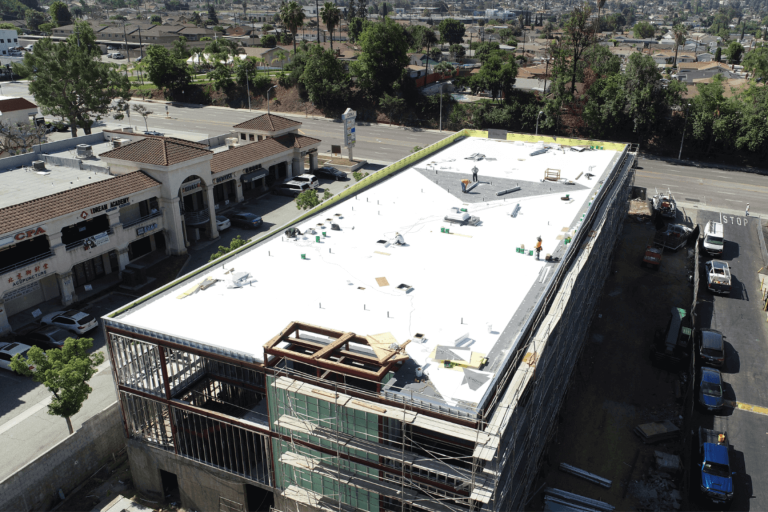
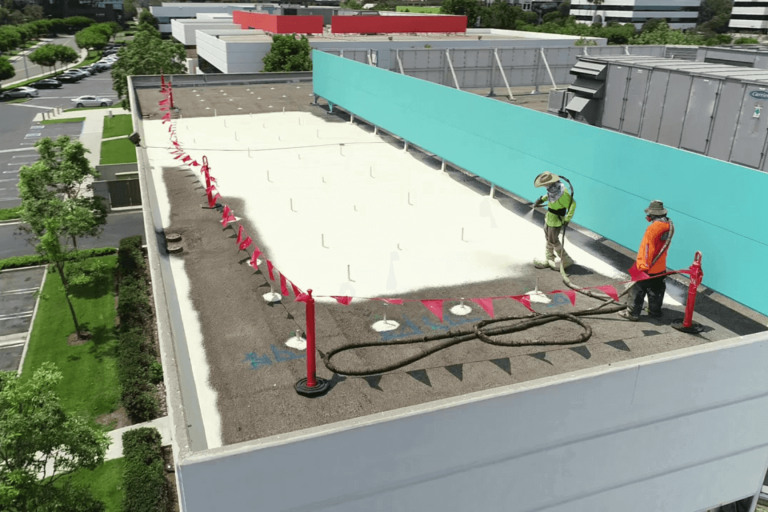
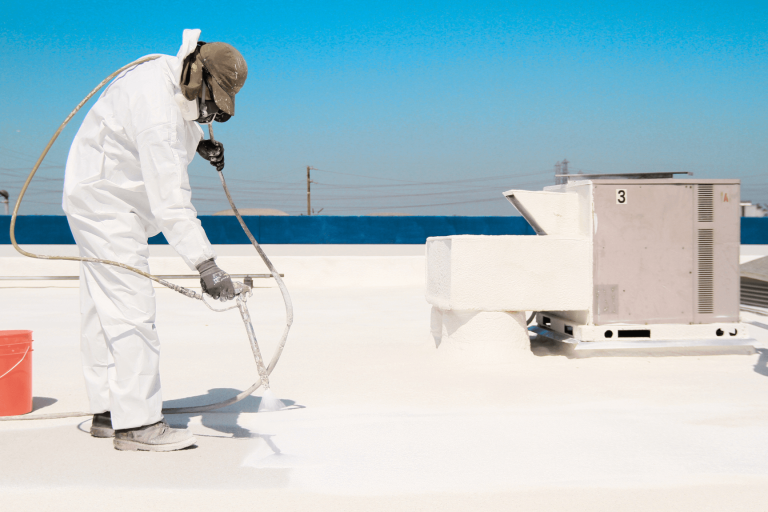
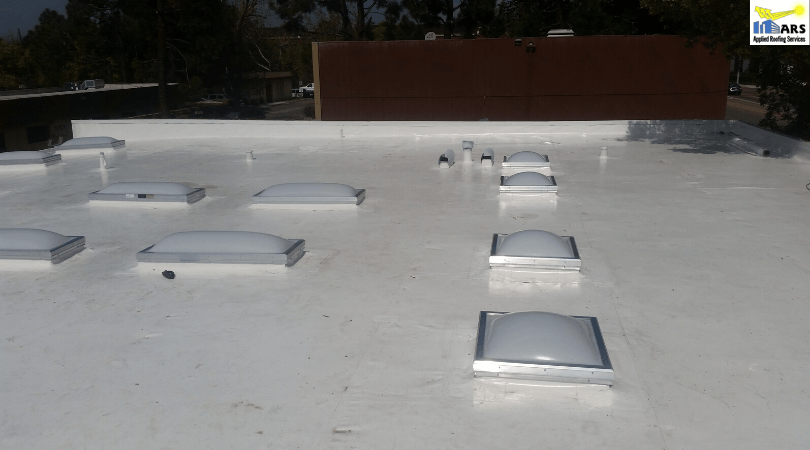
Single-Ply roofing is generally used for flat and low-sloped buildings. Single-Ply roofing is made of flexible sheets of compounded plastic-derived materials. These sheets are more flexible, reliable, and durable when compared to traditional roofing solutions.
Types of Single-Ply Commercial Roofing
There are mainly two types of single-ply commercial roofing.
-
- TPO (Thermoplastic Polyolefin) Single-Ply Roofing System
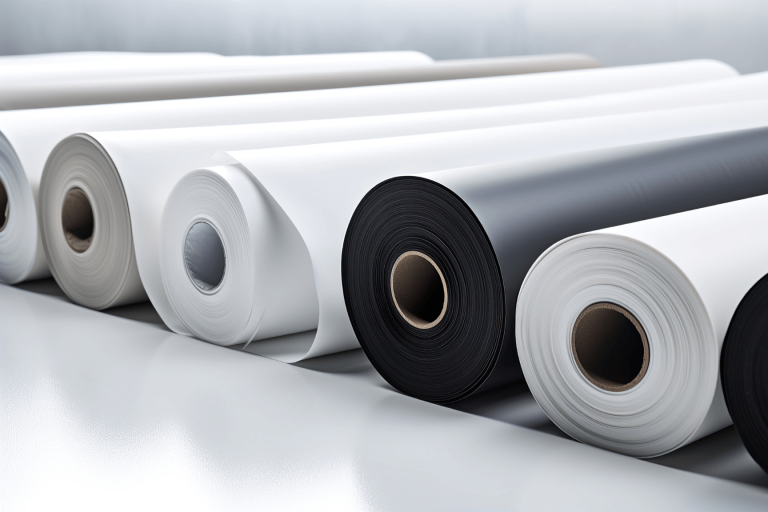
TPO single-ply roofing systems consist of a single layer of synthetics and reinforcing scrim. They have natural reflective surfaces that can reflect UV rays. It has a natural white color.
-
- EPDM (Ethylene Propylene Diene Terpolymer) Single-Ply Roofing System
EPDM single-ply roofing systems are made up of a flexible synthetic rubber compound. If you are using EPDM for your commercial building, you get to choose a black or white color in different thicknesses, unlike TPO, which is available only in white color. Using a darker shade for your roof is helpful in colder weather as they can retain heat.
Advantages of Single-Ply Roofing
There are numerous benefits of installing a single-ply roofing system. Some include:
- Over 50 years of proven track record
- Different application methods
- Class A fire-rated
- Choice of color (white or black) for UV reflection or heat retention
- High-tensile-strength
- Easy to install
Also Read – 7 Tips for Choosing the Right Commercial Roofing Company
Single-Ply Roofing Maintenance
To ensure maximum life for your single-ply roofing system, make sure to examine it periodically. Check for loose terminations and ensure that seams are intact. Also, there should be no punctures in the flashings or field membrane. Ideally, such maintenance inspections should be made at least twice a year. It is also advised to check your roofing system after every major storm so that any small issues can be identified and dealt with before they become a significant problem.